
CPDT-KA Certified
Fear Free Certified
AKC CGC Evaluator
Positive Reinforcement
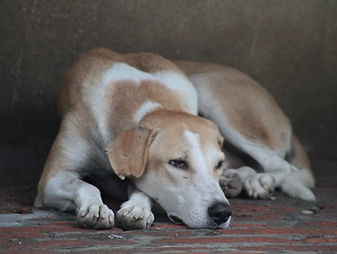
Living With a Reactive Dog Can Feel Lonely
You may plan walks around other dogs. You may cross the street before anything happens. You may feel embarrassed when your dog barks, lunges, freezes, or pulls toward a trigger.
Reactive behavior can make everyday life feel smaller. Walks become stressful. Visitors feel complicated. You may start wondering if your dog will ever feel calm in the world.
You are not alone, and your dog is not giving you a hard time. They are having a hard time.
What Reactivity Really Is
-
Barking
-
Lunging
-
Growling
-
Spinning
-
Freezing
-
Pulling away
-
Exploding at the end of the leash
What You May See
What Your Dog May Be Feeling
-
Fear
-
Anxiety
-
Frustration
-
Uncertainty
-
Overstimulation
-
Lack of coping skills
-
Feeling trapped or unsafe
Common Triggers We Can Work On
Dogs
People
Bicycles
Joggers
Cars
Wildlife
Visitors
New Places
Reactive Dog Mistakes We Help You Avoid
Flooding
Putting your dog too close to triggers before they are ready can make fear and frustration worse.
Punishing Communication
Barking and growling are information. We work on the emotion underneath instead of simply suppressing the warning signs.
Expecting Too Much too Soon
Progress with reactive dogs happens in small, steady steps. We build confidence instead of rushing your dog.
Imagine Future Walks Feeling Different
Less Panic
You know what to do when a trigger appears.
More Focus
Your dog learns to check in with you instead of reacting immediately.
Faster Recovery
Even when your dog reacts, they can settle again more quickly.
More Confidence
You feel prepared instead of helpless on walks.

Why In-Home Dog Training Works
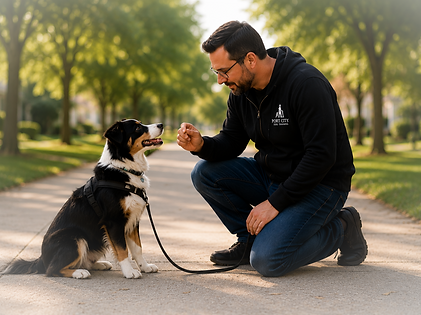
Reactive behavior rarely happens in a classroom. It happens at your front door, on your sidewalk, near your windows, in your yard, and on the routes you walk every day.
Private in-home training lets us build a plan around your dog’s real triggers, your environment, and your routine.
-
Start at your dog’s comfort level
-
Practice around real-life triggers
-
Build safer walking strategies
-
Create a plan for your home and neighborhood
-
Support your dog without fear, force, or intimidation
Your Reactive Dog Training Plan
1
2
3
4
5
Assessment
Management
Foundation Skills
Changing Emotional Response
Real-Life Practice
We identify your dog’s triggers, body language, history, and goals.
We reduce unnecessary reactions while your dog learns new skills.
We teach focus, disengagement, pattern games, and calmer responses.
We use positive reinforcement to help triggers become less overwhelming.
We practice your new skills during real walks and everyday situations .
Many reactive dogs also benefit from stronger foundation skills. Our Basic Obedience Dog Training program helps build focus, communication, loose leash walking, and everyday manners that support long-term behavior change.
What Progress Can Look Like
-
Your dog notices a trigger and checks in with you.
-
Walks feel more predictable.
-
Reactions become less intense.
-
Recovery happens faster.
-
You understand your dog’s body language sooner.
-
Your dog feels safer and more supported.
-
You feel more confident handling real-life situations.
Honest Reactive Dog Training
What I Won't Promise
-
Overnight results
-
That your dog will love every dog they meet
-
A quick fix that only suppresses behavior
-
Training based on fear, pain, or intimidation
-
That progress will always be perfectly linear
What I Do Promise
-
A personalized training plan
-
Clear, honest expectations
-
Positive reinforcement methods
-
Support between sessions
-
A focus on your dog’s emotional wellbeing
-
Progress you can build on
Want to learn more about your trainer? Visit the About Me page to learn about Stephen Dube's certifications, experience, and positive reinforcement approach.
Continue Your Dog's Training Journey
Every dog progresses at a different pace. These training programs can help build stronger foundation skills or continue your dog's success as confidence grows.
Early socialization and positive reinforcement help prevent many behavior problems before they become lifelong habits.
Strengthen focus, recall, leash walking, and everyday manners that support lasting behavior change.
Build confidence around real-world distractions while preparing for advanced training goals and the AKC Canine Good Citizen test.
“The improvement has been remarkable. Molly is now much more comfortable in different environments, quicker to disengage, and more relaxed overall.”
- Samantha M.

Frequently Asked Questions
What is a reactive dog? A reactive dog may bark, lunge, growl, freeze, or become overly excited around certain triggers. Reactivity is often connected to fear, anxiety, frustration, or overstimulation.
Do you work with aggressive dogs? Port City Dog Training helps reactive dogs, but severe aggression or bite-risk cases may require referral to a veterinary behaviorist or specialist.
Will my dog ever be able to walk calmly? Many dogs can learn to recover faster, focus better, and walk more calmly around triggers with the right plan and consistent practice.
Can reactive dogs get better? Yes. Many reactive dogs can make meaningful progress with management, positive reinforcement, and gradual behavior-change training.
Do you use positive reinforcement? Yes. Training uses positive reinforcement and fear-free methods designed to build confidence and reduce stress.
Do you offer in-home reactive dog training? Yes. Reactive dog training is offered privately in your home and neighborhood in Muskegon and surrounding West Michigan areas.
Still have questions? Visit our complete Dog Training FAQ for answers about scheduling, training sessions, and what to expect before getting started.